Tag: Tips

  • 5 Simple Steps for Achieving Any Goal

    5 Simple Steps for Achieving Any Goal

    If you’re not happy with your body then your workouts have lost focus.

    What is your immediate goal?

    If you don’t have a ready answer then chances are good that your motivation is low and it has resulted in a lack of results.

    I know from firsthand experience that operating without a goal will get you nowhere. Sure, you may still be exercising regularly and eating mindfully but without that concrete goal your efforts will yield little results.

    1. Setting your goal

    You want to be in “better shape” but that’s so vague. Dig deeper.

    What specifically do you wish you had now that you don’t?

    To drop 3 dress sizes.
    To lose 2 inches of arm fat jiggle.
    To melt 4 inches from your waist.
    To be able to run 3 miles without stopping.

    2. Define your timeline

    Now that you’ve determined exactly what part of your body isn’t up to par, tie that goal in with a specific timeline. When you have a timeline to measure your progress against, you’ll find that achieving your goal becomes an easier process.

    To drop 3 dress sizes by August 20th vacation.
    To lose 2 inches of arm fat jiggle by October 13th wedding.
    To melt 4 inches from your waist by July 7th pool party.
    To be able to run 3 miles without stopping by June 16th city 5k.

    3. Name your prize

    It’s time to take your motivation to the next level. Now that your specific goal is set and your timeline is clearly defined, let’s add a prize that you’ll receive once you’ve accomplished your goal. This prize shouldn’t be anything related to your unhealthy habits – so no junk food or extra large meals. Make the prize an item that will reinforce your slimmer body, like a nice piece of clothing.

    A couple new outfits for your August vacation.
    A sleeveless dress for the October wedding.
    A new swimsuit for your July pool party.
    A new pair of running shoes for your June 5k.

    4. Picture it

    You know what you want, when you want it by, and the reward you’ll get by achieving it. Now spend time picturing your end goal. Find a comfortable, quiet corner, close your eyes and see a mental movie – starring yourself – enjoying your reward with your new and improved body. Play your mental success movie several times throughout the day.

    See yourself enjoying an afternoon of your vacation, wearing your new clothes with confidence.
    Imagine how you’ll feel walking down the aisle baring your toned arms.
    See yourself lounging by the pool in your swimsuit, carefree and happy.
    Imagine the feeling of accomplishment you’ll feel as you cross the finish line.

    5. Recipe for success

    The steps that you’ve taken above have prepared you to mentally take on the challenge of motivating yourself through this transformation process. All that remains is a solid exercise and nutrition plan to push you through to your new body.

    This is where I come in.

    I’m fanatical about propelling each and every one of my clients through their own personal body transformation.

    Call or email today and I’ll get you started on a program that will make your goals a reality.

    Super Soup

    Soup is a wonderful meal to enjoy when you’re focused on losing weight – with a few guidelines.

    Never choose soups that have a cream base. These are filled with more calories and fat than you need.
    Avoid soups that have noodles or rice.
    Make sure that your soup has a lean source of protein, such as lean turkey or chicken breast. Try the Turkey & Veggie Soup recipe below.

    Turkey & Veggie Soup

    This soup has everything going for it. The base is broth, not cream. It doesn’t have any added carbohydrates in the form of rice or noodles. And it’s filled with lean ground turkey.

    Servings: 12

    Here’s what you need…

    1 teaspoon olive oil
    2 garlic cloves, minced
    1 bunch of carrots, chopped
    2 onions, chopped
    1 bunch of celery
    1 fennel bulb
    1.3 lbs lean ground turkey
    4 cups veggie broth
    1 (14.5oz) can stewed tomatoes
    1 (15oz) can white kidney beans, drained and rinsed
    4 ears of corn, kernels sliced off
    3 Tablespoons tomato paste
    2 teaspoons dried basil
    dash of salt and freshly ground pepper
    In a large skillet heat the olive oil. Add garlic.
    Add chopped carrots, cover for 5 minutes.
    Add onions, celery and fennel. Sauté until soft.
    In another skillet cook the ground turkey over medium heat until fully cooked, stirring often. Drain off excess fat.
    Transfer the veggies to large soup pot and add the remaining ingredients, and the cooked turkey. Cover and cook over low heat for 40 minutes. Add extra water as desired.
    Nutritional Analysis: One serving equals: 119 calories, 1 fat, 336mg sodium, 10g carbohydrate, 3g fiber, and 15g protein.

    Motivate your friends, family and co-workers! Use the “refer a friend” link below to forward this newsletter and subscribe your friends.

  • The right way to exercise with benefit

    The right way to exercise with benefit

    There are right ways to exercise and there are wrong ways. In order to get the greatest benefit from your workout and prevent possible injury, you’ve got to do it the right way.

    What is the right way? You’re about to find out.

    No Pain, No Gain? You’ve heard the phrase “No pain, no gain.” But this isn’t exactly true for exercise. Actually, exercising doesn’t have to cause pain in order to get you in shape.

    If you are just beginning to exercise, a little muscle soreness is to be expected. But don’t give up. Work through it, stick with your exercise routine, and in few days the soreness should be gone for good.

    If you ever do experience severe pain while exercising, stop until it goes away. If it lasts for more than a few days, see your doctor.

    Three Parts. What does a balanced exercise plan look like to you? Is walking 30 minutes four days a week enough? Lifting weights four times a week? In a word, no.

    There are actually three components of a balanced workout routine: aerobic, strength-training, and flexibility exercises.

    Aerobic or cardio exercises strengthen your lungs and heart. Examples include running, walking, swimming, cycling, and basketball.

    Strength or resistance training exercises keep your bones and muscles strong and help with coordination and balance. Strength training refers to weight lifting, weight machines, resistance bands, and body-weight exercises.

    The third part of a balanced exercise routine includes flexibility exercises to reduce your risk of injury and improve your body’s range of motion. Examples include stretching, yoga, and tai chi.

    It doesn’t matter what order you perform your aerobic and strength-training exercises, unless you have specific goals. Working on endurance? Go cardio first. Trying to get stronger or burn calories? Hit the weights first. Just be sure to incorporate all three types of exercise each week.

    Warm Up and Cool Down. If you don’t warm up before or cool down after exercising you could harm your muscles.

    The best way to get your muscles ready for exercising is to include a brief time of light aerobics such as brisk walking or steady cycling to get your breathing and heart rate slightly elevated.

    To cool down, continue exercising at a slower pace or lower level of intensity for about 5 to 10 minutes. Then end with a few gentle stretches to loosen your muscles, ligaments, and tendons. A cool-down period will help your muscles recover and help prevent injury or soreness.

    Target Heart Rate. To get the greatest benefit from your workout, it is important to exercise at your target heart rate zone.

    To determine your target heart rate, you must first find your maximum heart rate. To do this, subtract your age from 220. Your target heart rate is 50-85 percent of your maximum heart rate.

    For example, if you are 40 years old, your maximum heart rate is 180 and your target heart rate is between 90 and 153 beats per minute.

    To measure your pulse, place your fingers on your wrist or the arteries on your neck and count how many beats you feel per minute, or double the number of beats in 30 seconds.

    Personal Trainer

    Sports Drink or Water? Your body requires plenty of fluids before, during, and after exercise.

    Try to drink at least 20 ounces of water several hours before your workout and eight more ounces about a half hour before your workout. Then drink about 10 ounces of water every 10 to 20 minutes during exercise.

    During normal everyday exercise, water is usually the best for rehydrating. But when you exercise intensely for more than an hour, sports drinks are as good or
    even better. Sports drinks contain a high amount of carbohydrates, which provide energy. They also help to replace the electrolytes lost from sweating.Fitness results

    The easiest and most effective way to ensure that your workout plan is smart is to put it into the hands of a trusted expert—me.
    Call or email today to get started on a truly smart exercise plan that will transform your body in
    ways that you’ve only dreamed.

    Brain Benefit

    A growing body of research continues to confirm links between exercise and improved brain function. So in addition to making you stronger, leaner, sexier, and more confident, your time at the gym will actually make you smarter.

    Turkey-Stuffed Bell Peppers

    Eating healthy doesn’t have to be boring! These turkey-stuffed bell peppers are the perfect meal for those days when you’re bored of eating healthy. Shhhh, your taste buds won’t suspect that this dish is low-carb and protein-filled. Serve over a bed of greens for a complete meal.
    Servings: 5

    Here’s what you need…

    5 organic bell peppers
    1 teaspoon olive oil
    2 cloves garlic, minced
    2 Tablespoons fresh basil, minced
    1 yellow onion, minced
    1 Tablespoon fresh rosemary, minced
    1 teaspoon dried parsley
    dash of salt and pepper
    20 oz organic ground turkey, 99% fat free
    1 organic tomato, chopped
    3/4 cup spaghetti sauce
    1/4 cup shredded mozzarella cheese

    Bring a large pot of water to boil, add a pinch of salt. Cut the tops off the bell peppers and remove the seeds. Place in the boiling water, using a spoon to keep them submerged for 3 minutes or until the skin is slightly softened. Drain and set aside.
    Preheat the oven to 350 degrees F. Prepare a baking pan with non-stick cooking spray and set aside.
    In a large skillet heat the oil on medium. Add the garlic, basil, onion, rosemary, parsley, salt and pepper. Cook for about 5 minutes, until the onions begin to soften. Add the ground turkey and continue to heat until the meat is browned. Add the tomato and cook for another 2 minutes.
    Remove from heat. Pour the spaghetti sauce into the turkey mixture and mix well. Add the cheese and mix until well combined.
    Stuff each prepared bell pepper with the turkey mixture and place on prepared baking sheet. Cook for 15-20 minutes until the bell peppers are tender.
    Nutritional Analysis: One serving equals: 193 calories, 3 fat, 256mg sodium, 14g carbohydrate, 3g fiber, and 28g protein.

    Motivate your friends, family and co-workers! Share this article on your social media page

  • Eating Healthy While Eating Out

    Eating Healthy While Eating Out

    When you eat at home, you know what you’re getting, but head to a restaurant it’s another story.

    The ingredients, method of preparation, and portion size can easily add excess calories to your diet.

    Restaurant menus have so many choices and are often full of unfamiliar terms. Is a food fried or baked? Does it come with a sauce or dressing? If you’re not careful, you won’t know answers to these questions and more until you ask them.

    Before heading out to dinner tonight, here are some tips to enjoy a healthy meal.

    So Many Options
    When considering what to choose from dozens of options, you can easily become overwhelmed. Just as easy is to be tempted by the unhealthy choices. Thankfully, most restaurants these days include healthy options on their menus and label them accordingly.

    For your main course, choose chicken, turkey, ham, or fish over beef. If it comes with a sauce, avoid creamy or cheesy sauces and go with a tomato or vegetable sauce.

    Additionally, try to include a salad, fruit, or steamed vegetable, and go sparingly on dressings, cheese, salt, and butter. Instead of chips, fries, or fried rice, choose boiled rice or potatoes.

    Need some extra seasoning? Leave the salt and butter alone. Instead, reach for some fresh herbs or lemon. And if the meal comes with bread, choose a whole-grain option and go with a sherbet, sorbet, or fresh fruit if you can’t say no to dessert.

    Food Preparation
    Menus are often vague when it comes to the way the food is prepared. If you’re not sure or the menu doesn’t say how the food is prepared, be sure to ask.

    Remember—restaurant foods are full of fats, as fats help keep the food moist and yummy.

    To play it safe and to avoid excess fat, choose foods that are grilled, boiled, steamed, stir-fried, or poached instead of fried, baked, or battered. Also, take control of your food destiny by asking that your meal be prepared with olive oil instead of butter or other fats.

    When your salad arrives, opt for oil and vinegar rather than dressing. Or have your dressing on the side so you can limit the amount you use.

    Terms to watch for include “lightly breaded,” “wrap,” “baked,” and “viniagrette.” These may all sound healthy but may are deceiving.

    Foods that are lightly breaded are often deep-fried. A wrap may sound like a good option, but two slices of bread may have fewer calories than a 10-inch tortilla. Baked sounds better than fried, but it could possibly mean the food is baked deep-dish style and contains high-fat, creamy ingredients. While baked salmon is a good choice, baked lasagna is high in fat. And though vinaigrette dressing sounds healthier than a cream based dressing, it is mostly oil, so order it on the side.

    Portion Control
    Not only do portions keep getting bigger, so do the plates that hold them! With so much food sitting in front of you, it is sometimes hard to resist the temptation to eat it all—especially when you paid so much for it.

    To avoid the temptation to eat unhealthily large portions, split or share the entree, then choose a soup, salad, or extra side. If you know you’ll get too much food, go ahead and ask for a to-go box when you order. That way you can divide the food as soon as you get it, so you won’t have to stare at the extra food as you eat.

    Know What to Look For
    Knowing what to look for on a menu and what to avoid will help you choose healthier, low-fat options. If you find that your diet is lacking fruits, vegetables, or whole grains when you eat out, make up for it when you eat your other meals at home.

    Remember that healthy eating is only half of the battle when it comes to losing weight.

    Call or email today to get started on a fitness program designed to get you real results.

    Adjust Your Mindset

    Eating out should be a luxury, not an everyday affair. If you find yourself choosing at restaurants more often than you’d like—especially if you’re eating all the wrong foods, cut back on your eating out ways and watch your calorie intake drop instantly!

    Easy Baked Salmon

    Salmon is filled with quality protein and omega-3 benefits, making it the perfect center of your healthy dinner. Serve your salmon on a bed of fresh or braised greens.
    Servings: 4

    Here’s what you need:

    1/2 cup Greek yogurt, fat free
    1 lime, juiced
    3 garlic cloves, minced
    1 1/2 teaspoons ground coriander
    1 1/2 teaspoons ground cumin
    4 (3oz) wild caught salmon fillets
    Preheat oven to 375 degrees F. Coat a baking pan with nonstick spray and set aside.
    In a small bowl combine the yogurt, lime juice, and garlic. Put half of the yogurt mixture aside in the fridge. Coat the salmon with the other half of the yogurt mixture and marinate in the fridge for 30 minutes.
    Place the salmon on prepared pan and bake for 20 minutes. Turn on the high broil for an additional 5 minutes until the top of the salmon has browned.
    Serve the salmon on a bed of kale with a dollop of the reserved yogurt.
    Nutritional Analysis: One serving equals: 172 calories, 6.9g fat, 62mg sodium, 1g carbohydrate, 0g fiber, and 24.6g protein.

    Spread the word. Forward this newsletter to your friends, family and co-workers by using the “refer a friend” link below.

  • Speed your metabolism to burn more calories

    Speed your metabolism to burn more calories

    You’re working out and eating well, but just can’t seem to lose weight. Could a slow metabolism be keeping you from your weight-loss goals? It just might.

    What is your metabolism and what relationship does it have to weight gain? Can you speed up your metabolism to help your body burn more calories? Hang on tight, ‘cause you’re heading for a crash course in metabolism!

    What is Metabolism?
    The calories in your food or beverages combine with oxygen and create the energy necessary for your body to function. Metabolism is the complex, biochemical process in which your body takes what you eat and drink and converts it into energy. Your metabolism is constantly at work, even during rest and sleep when your body needs energy to breath, circulate blood, adjust hormones, repair cells, and grow new cells.

    Your basal metabolic rate is the amount of calories it takes for your body to perform its basic functions. It affects how much energy your body needs to do its job and helps determine the number of calories you’ll burn each day. Many factors play a role in your basal metabolic rate.

    The first is your body composition and size. Larger people and those with more muscle mass burn more calories even while resting. This means overweight people usually have a faster metabolic rate than their thinner peers.

    The second factor affecting your metabolic rate is your sex. Men generally have more muscle and less fat and therefore burn more calories, giving them the advantage when it comes to metabolic rate.

    Third, your metabolic rate changes with age. The older you are, the less muscle you’re likely to have. As a result, you burn calories slower.

    Besides your basal metabolic rate, the amount of physical activity you get and the way your body digests and processes food determines how many calories you burn. While many factors go into your metabolism, the most variable is physical activity. However, exercise also makes the most difference in the number of calories you burn, so amp up your exercise and watch your metabolism rise as well.

    Slow Metabolism = Weight Gain?
    Contrary to popular belief, a slow metabolism rarely causes excess weight gain. While it would be easy to blame your weight on a slow metabolism, the most likely culprit behind those extra pounds is the amount of calories you consume versus the amount of calories you expend in physical activity. When you eat more calories than you expend, your body stores that away as fat.

    Your metabolism is a natural process, and your body balances your metabolism to meet your individual energy needs. This is made clear when folks jump into a starvation diet. When you don’t eat, your body slows down the metabolizing processes to conserve calories and energy to survive.

    You don’t have much control over your metabolism, but you can control the number of calories you burn during exercise. The more activity you perform, the more calories you burn.

    You may think a thin person has a faster metabolism, but they’re usually just more active.

    Having a slow metabolism is rare, and it usually doesn’t cause obesity. Medical conditions such as hypothyroidism and Cushing’s syndrome may slow metabolism and lead to weight gain. But for the most part, the factors that contribute to weight gain include consuming too many calories, genetics, family history, unhealthy habits such as too little sleep or not eating breakfast, and certain medications.

    If you want to kick-start your metabolism with challenging progressive workouts then call or email me today to get started.

    Boost Your Metabolism?

    Unfortunately, trying to speed up your metabolism will likely have little effect on weight loss. Therefore, be skeptical of products, foods, and drinks that claim to do such a thing. They may have dangerous or undesirable side effects.

    If a magic pill is what you’re waiting for, you may be waiting a long time. If you want to lose weight, nothing will get you there faster than a healthy diet and a consistent, challenging exercise program. Call or email me to get started on your own effective exercise plan.

    Creamy Egg Salad

    Most recipes for egg salad call for fat-filled mayonnaise, but this recipe uses fat free Greek yogurt instead. You get all the creaminess without added calories to set back your results.
    Servings: 3 Here’s what you need…

    • 8 organic, free range eggs
    • 4 celery stalks, chopped
    • 2 Tablespoons onion greens, chopped
    • 1/4 cup non fat Greek yogurt
    • 2 teaspoons champagne mustard
    • 1 teaspoon fresh squeezed lemon
    • dash of salt and pepper
    1. To boil the perfect egg: place eggs in a large pot and cover with cold water by half an inch. Heat the water to a boil, turn off the heat and cover the pot. Wait exactly 7 minutes, and then place the eggs in a bowl of ice water for 3 minutes.
    2. Peel and chop hard boiled eggs, discarding 4 yolks. Place in a large bowl. Add celery, onion greens, yogurt, mustard, lemon, salt and pepper. Mix well.
    3. Chill and then serve.

    Nutritional Analysis: One serving equals: 148 calories, 7 fat, 212mg sodium, 4g carbohydrate, 1g fiber, and 16g protein.

    Motivate your friends, family and co-workers! Use the “refer a friend” link below to forward this newsletter and subscribe your friends.

  • Some people gain instead of lose weight with exercises?

    Some people gain instead of lose weight with exercises?

    It is common knowledge that exercise burns calories and helps you to shed extra pounds.

    Armed with this knowledge, many people think that losing weight should be easy with enough exercise. You may take this as bad news, but the truth is that for those who aren’t used to exercising and are out of shape, beginning an exercise program may actually lead to weight gain.

    This fact, however, shouldn’t stop you from exercising, as you’ll eventually turn the weight corner and start losing.

    What is it about exercise that may cause some people to gain instead of lose weight?

    Muscle Mass: One of the main reasons exercising can lead to weight gain is that it promotes the growth of muscle mass.

    boot camper muscle Mass

    If you are not used to working out and haven’t used certain muscles regularly, after exercising your muscles will be sore and will increase in size. While you may burn off fat, muscle is denser than fat. Therefore, the weight you gain is in your muscles.

    And take heart. Since muscles take up less space than fat, your extra weight doesn’t necessarily translate to larger size. In fact, once you start working out, you’ll probably become thinner, even if you maintain your previous weight. Instead of using a scale to determine if you are slimming down, have your body fat tested regularly or measure your body at certain areas.

    If you see that you’re losing inches, then you know you’re on the right track.

    Cardiovascular activities like walking, running, or swimming will encourage the growth of lean, toned muscles. Other activities such as weight lifting promote the growth of larger, stronger muscles that contribute to weight gain.

    But there is good news in this. If you stick with the exercise program, your muscles will soon stabilize in size and after a time, become toned. After your muscles are strong and able to handle more strenuous workouts, you will be able to burn calories faster.

    While it may be frustrating and disappointing to see the scale go up after starting an exercise routine, it shouldn’t stop you from exercising. You may just be building muscle faster than losing body fat. This can be especially true if you’re genetically prone to building muscle fast. The key is to incorporate plenty of cardio exercise in addition to strength training. That way you will burn plenty of calories during your routine and be more able to shed pounds.

    Eating Habits: When you work out and burn calories, your body will feel the need to replace those burned calories.

    This may make you feel hungrier than usual, which can cause you to eat more than normal – sometimes without knowing it. A good idea is to keep a food journal to track of the actual number of calories you are consuming.

    You may also end up eating more calories and justifying their consumption since you’re exercising. After a good workout, you may see an ice cream sundae as a reward for the calories you burned. Just be careful. If you’re interested in losing weight, you can’t simply break even with your caloric intake and the amount of calories you burn.

    At the same time, eating too few calories can be counterproductive and slow your weight loss. Without enough calories, your body may slow its metabolism. So eat plenty to keep your body well fueled, but choose healthy calories that will help your body recover after a workout and grow stronger.

    Hydration: Depending on the time of day you weigh yourself, the scale may read differently. Your weight can fluctuate as much as five pounds depending on the amount of water or food you have recently consumed or the amount of water you have shed in sweat. It is therefore important to weigh yourself at the same time each day.

    My exercise programs are specifically designed to produce results quickly.

    Call or email today to test drive a program that will get the numbers on your scale headed in the right direction.

    Give It Time
    Whatever the cause of your weight gain after exercising, don’t give up! Not only is exercise the key to shedding pounds, but it is also vital for overall health and well-being. Give your body time to respond to a new routine. It can take several weeks for your body to “recalibrate” itself to increased activity and changes in eating habits. But once it does, you’ll begin seeing the weight-loss results you seek!

    Creamy Low Fat Tuna Salad
    Most recipes for tuna salad call for fat-filled mayonnaise, but this recipe uses fat free Greek yogurt instead. You get all the creaminess without added calories to set back your results.
    Servings: 5

    Here’s what you need…

    2 (5oz) cans wild albacore tuna, packed in water
    1 cup fat-free Greek yogurt
    2 Tablespoons champagne mustard
    1 teaspoon dried dill weed, plus more for garnish
    dash of freshly ground pepper
    1 green apple, shredded
    2 cups green cabbage, shredded
    4 cups organic mixed greens
    Drain the tuna and flake in a medium bowl. Add the yogurt, mustard, dill and pepper. Mix until creamy and well combined.
    Add the shredded apple and cabbage. Mix well.
    Arrange mixed greens on plates, then use an ice cream scooper to place the tuna mixture. Sprinkle with dill weed.
    Nutritional Analysis: One serving equals: 140 calories, 1 fat, 210mg sodium, 13g carbohydrate, 2g fiber, and 20g protein.

    Motivate your friends, family and co-workers! Use the “refer a friend” link below to forward this newsletter and subscribe your friends.

  • 5 exercises that target your gluteal muscles

    5 exercises that target your gluteal muscles

    Here’s the article that you’ve been waiting for – everything you need to know to shape up your booty for swimsuit season.

    Don’t allow past failures get you down. It can be frustrating waiting for results, but by a combination of cardio exercises, a healthy diet, and the right resistance workouts targeted for the butt and thighs, you will reach your goal.

    Here are the essential exercises that target your gluteal muscles to give it the shape and tone you desire.

    Exercise 1: Hip Lift
    A great exercise to work your flute muscles is the hip lift. To do this exercise, lie on the floor with your back flat, knees bent, and feet resting on the ground. While keeping your arms at your sides on the floor, lift your bottom and lower back off of the floor. Hold for a few seconds, and then slowly lower yourself. Repeat. To work your muscles even more, lift a leg in the air when you raise your bottom off the ground. Lower yourself and then repeat, lifting the other leg.

    Exercise 2: Leg Lift
    To do a leg lift, lie on your side and prop yourself up on your elbow. Raise your top leg slowly into the air, as high as you can, so your legs make a “V” shape. Hold for a few seconds, and then slowly lower your leg. Repeat 10 times, turn onto the other side, and lift the other leg.

    Exercise 3: Banded Shuffle
    This is a great exercise to get your heart pumping and work your butt. To do this exercise, you’ll need an elastic sports band. Stand up straight with your legs hip-width apart and tie the band around your lower legs. Squat down until your thighs are parallel to the floor, your back is straight, and your abdominals are tight. While in this squatting position, take several steps to the left, then several to the right. You may need to use your arms for balance, but your butt muscles should feel a workout.

    Exercise 4: Plie Squat
    Another form of squat is the plie squat. If you don’t have an elastic band, this is the exercise to add definition and shape to your butt. Start by standing with your legs slightly more than shoulder-width apart and your toes pointed out to the sides. This is what ballerinas call the plie position. For balance, hold your arms in front of you. While keeping your back straight, slowly squat to the ground until your thighs are parallel to the floor. Hold this for five seconds and stand back up. Repeat 10 times.

    Exercise 5: Lunge
    A fifth exercise that targets the muscles of your butt, thighs, and hips is the lunge. Putting one foot out in front of the other, lower your body toward the ground, keeping your abdominals tight and your torso straight. Lower until the front knee is bent at 90 degrees and not extended past your toes. Stand back up and then extend the opposite leg and bend. Perform 10 repetitions. For an increased workout, hold dumbbells in each hand.

    Lunges exercise Miami Fitness
    Lunges exercise Miami Fitness

    Exercise 6: Run or Walk
    Running or walking outside or on the treadmill are other great exercises that work your butt while giving you a cardio workout to burn fat at the same time. Make it your goal to exercise 30 to 45 minutes at least three times a week, including walking or running each time.

    Burn, Baby, Burn! These exercises are excellent ways to burn extra fat off your butt while adding the definition you desire. Not used to working your gluteal muscles? You’ll definitely feel the burn the first few days, but the end result will be worth the effort!

    If you’re serious about transforming your body then call or email today to set up a consultation with me. Together we will create the perfect program that will quickly get you into the body that you deserve.

    Don’t wait – call or email today to get started.

    No More Excuses

    Your excuses for being out-of-shape are getting old. An excuse takes less immediate effort than an action, but in the long run the action taker always has the advantage.

    • Don’t skip out on your responsibilities with excuses, instead expect more from yourself.
    • Focus on the big reason why you are losing the weight. Make a list of the benefits you’ll enjoy once you achieve your goal, and read them first thing each morning.
    • Remember that you can only have two things in life: excuses or results. Which do you want?

    Don’t allow excuses to ruin your life any longer.

    Breakfast Bird Nests

    You know that curbing your carbs will help you lose weight and tone up, so try this low carb breakfast. It’s a great way to eat some veggies with breakfast.
    Servings: 4

    Here’s what you need…

    • 4 large, round tomatoes
    • 1 teaspoon olive oil
    • 1 clove garlic, minced
    • 1 small onion, finely chopped
    • 3 slices organic, nitrate-free turkey bacon, chopped
    • dash of dried oregano, plus more for garnish
    • optional dash of salt (added salt is not in nutritional analysis)
    • dash of pepper
    • 4 organic, omega-3, free range eggs
    1. Preheat oven to 400 degrees F.
    2. Wash tomatoes, slice off the tops and scoop out the insides. Place tomatoes on a pan, and bake for 5 minutes.
    3. In a skillet, heat the oil over medium heat. Add garlic. Add onion. Add chopped bacon. Saute for 5 minutes, until mostly cooked. Add the spices and mix well.
    4. Turn oven to broil.
    5. Fill each tomato with the bacon mixture, leaving about 1/2 inch of space at the top of each tomato. Crack an egg into each tomato then sprinkle with oregano. Place in the oven under broiler for 5 minutes. Remove from oven once the top has set, and you’ll have perfectly done over easy eggs.
    6. For well done eggs: change oven temperature back to 400 degrees F, and continue to bake for an additional 10 minutes.

    Nutritional Analysis: One serving equals: 98 calories, 5g fat, 162mg sodium, 3g carbohydrate, .6g fiber, and 9g protein.

    Spread the word. Forward this newsletter to your friends, family and co-workers by using the “refer a friend” link below.

  • 5 foods that you should never eat

    5 foods that you should never eat

    The world of fitness and weight loss is often confusing, with contradictory information swirling about. I’m going to cut through the confusion and make things really simple for you.

    Below is a list of 5 foods that you should never eat.

    These foods will derail your fitness and weight loss efforts every single time.

    In addition, I will suggest a healthy substitute for each of these off-limits foods.

    By simply swapping out the items below you will quickly and effortlessly become healthier, leaner and fitter than you are today.

    Do-Not-Eat #1: Anything Fried
    Fried food is loaded with fat and calories while offering zero nutritional value. It’s a lose-lose! Sure, fries and chips TASTE good, but healthier items also taste good. Just say no to the deep fried items on your menu. You’ll be thinner, healthier and won’t have greasy fingers.

    Try This #1: Broiled
    If you simply must have a French fry, then make them at home in your oven. Use sweet potatoes, as these are a more complex carbohydrate. Cut into matchsticks, drizzle with a tablespoon of olive oil along with a dash of salt, then place in your oven on broil. Mix every 5 minutes until the fries are tender on the inside and crispy on the outside.

    Do-Not-Eat #2: White Bread
    White bread products have zero nutritional value and are quickly converted by your body into sugar. So you may as well eat a cupcake. Even breads that are technically wheat, but are as soft and smooth as white bread, should be avoided. Don’t be afraid to discard the bread from your sandwich or to push away that bread basket. Your waist will shrink and you’ll lose that bloated feeling that high carbohydrate meals give you.

    Food never eat

    Try This #2: Sprouted Grain Bread
    If you must have bread, then stick with sprouted. Sprouted grain bread is a lot easier on your digestion and is packed full of nutrients. Two delicious brands are Food For Life’s Ezekiel bread, and Manna Organics. Sprouted grain breads are often kept in the freezer section since they don’t contain preservatives to prolong shelf life.

    Do-Not-Eat #3: Creamy Salad Dressing
    You were so good to order a salad, but then you ruined it by drenching the salad in fattening creamy dressing. Just a few tablespoons of creamy dressing contain more than 20 grams of fat and hundreds of calories.

    Try This #3: Vinegar Dressing
    Salad dressing is meant to lend flavor to the salad, not fat and calories. Vinegar-based dressings pack amazing flavor in with minimal fat and calories. You can even mix your own dressing at home. Take high quality vinegar, fresh lemon juice, salt and pepper, your choice of dried herbs, and a bit of olive oil.

    Do-Not-Eat #4: White Rice
    I’m sure by now you’ve heard that white rice is not a healthy choice. Just like white bread, white rice has zero nutritional value – other than calories. Fiber and vitamins have been removed and the glycemic load will quickly prime your body for storing fat.

    Try This #4: Brown Rice
    Brown rice has three times the amount of fiber, more B vitamins as well as other nutrients, won’t sky rocket your blood, and will keep you feeling fuller for longer. That should be enough to convince you to swap your large pile of white rice out for a small pile of brown rice.

    Do-Not-Eat #5: White Sugar
    Sugar and high fructose corn syrup are the epitome of anti-fitness food. Nothing will destroy your progress, expand your waist and plummet your energy levels like sugar will. If you only take away one do-not-eat food from this article please let it be sugar.

    Try This #5: Fruit
    Don’t turn to artificial sweeteners to get your sweet fix, instead turn to nature’s wholesome source of sugar: fruit. Eat organic fruit that is seasonal and locally grown. Stay away from dried fruit and fruit juices, as these are high in simple calories.

    Eating right, along with challenging exercise, is the formula for a toned, lean body – so guarantee your results by teaming up with me.

    Together we will come up with a fitness plan that is uniquely yours, one that fits your lifestyle and brings you promptly to your goals.

    Call or email today to get started.

    Feeling Blue?
    If you’re feeling depressed or stressed then studies show that you’re probably going to overeat. And when you gain weight from overeating you’ll end up feeling more depressed and stressed.

    How is this vicious cycle broken?

    With a consistent and challenging exercise routine.

    Sprouted Grain French Toast
    Just because you gave up white bread and sugar doesn’t mean that you can’t enjoy a delicious plate of French Toast! This recipe is made with sprouted grain bread, egg whites and protein-packed Greek yogurt. The whole family will love it. Servings: 5

    Here’s what you need…

    5 slices cinnamon raisin, sprouted grain bread
    1 cup egg whites
    6 oz fat free, Greek yogurt
    1 teaspoon vanilla extract
    1/2 teaspoon ground cinnamon
    dash of salt
    Optional: additional fat free Greek yogurt and pomegranate seeds for topping.
    Preheat a skillet, or pancake griddle over medium high heat. Lightly coat with cooking spray.
    In a shallow bowl, whisk the egg whites, yogurt, vanilla, cinnamon and salt. Mix until well combined.
    Dip each slice of bread in the egg white mixture, flipping to coat each side. Place on the prepared skillet and cook for 3-5 minutes on each side, until the eggs set and turn golden.
    Serve immediately with the additional yogurt and pomegranate.
    Nutritional Analysis: One serving equals: 127 calories, 0 fat, 157mg sodium, 19g carbohydrate, 2g fiber, and 12g protein.

    Motivate your friends, family and co-workers! Use the “refer a friend” link below to forward this newsletter and subscribe your friends.
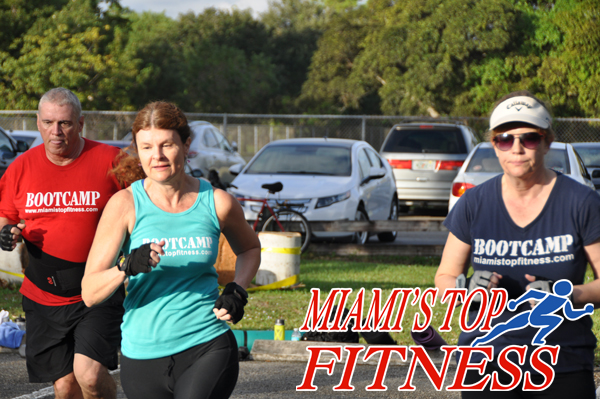
  • Three Supplement Myths for Miami Fitness bootcampers

    Three Supplement Myths for Miami Fitness bootcampers

    If you could live a longer, healthier life by taking a small pill each day, you’d do it wouldn’t you? You’d be crazy not to! With this fact in mind, the incredible growth of dietary supplements makes sense. It’s estimated one out of every three Americans currently takes some sort of nutritional supplement each day. According to government statistics, more than $11 billion is spent each year on vitamins and minerals in the U.S. alone!

    This extreme interest in health and nutrition is, unfortunately, fueled by false advertisement. The Internet, television, and product labels make claims not backed by science, fooling millions and reaping a sizable paycheck. And in America, supplements are regulated by the Food and Drug Administration the same way that foods are, not as if they are medications. This means supplement manufacturers aren’t required to back their claims by science.

    In your quest for fitness, don’t be fooled by these three myths surrounding the use of nutritional supplements.

    Myth #1: “More Is Better”

    If vitamins, minerals, botanicals, and herbs are good for you and available over the counter, they must be safe to take in high doses, right? Science has proven otherwise. You feel a cold coming on so you pop the vitamin C pills and lozenges to ward it off, but too much of certain vitamins and minerals can be dangerous. For example, when you overdose on vitamin C, your body loses its ability to absorb copper; too much phosphorous and your body can’t absorb enough calcium; vitamins A, D, and K can build up to toxic levels when large doses are taken; too much vitamin A will put you at risk for osteoporosis; vitamin E may increase your risk of stroke; and iron your risk of heart disease. And you thought those supplements came with no risks.

    When choosing a multivitamin and other supplement, look for ones that contain no more than 100 percent of each ingredient and be careful of combining a multivitamin with another vitamin supplement.

    Myth #2: “A Supplement Will Make Up for My Unhealthy Diet”

    Hate vegetables? Drink too much caffeine? Like to skip breakfast? Well, be wary of relying solely on supplements to make up for your nutritional deficiencies. Your body is better able to absorb nutrients from real food, so supplements should only be taken as icing on your healthy cake. Besides, relying on supplements to fill in nutritional gaps can put you at risk for the overdosing dangers mentioned above.

    With a healthy diet that includes plenty of fruits, vegetables and lean proteins, you’ve got little room for the need of supplements. Eating a healthy well-rounded diet will also provide millions of phytonutrients unavailable in supplement form. It also helps your supplements be more effective when you do take them, as supplements are made less effective when taken on an empty stomach.

    Myth #3: “I Can Trust the Claims of Supplement Labels”

    Many supplement containers describe the health benefits their ingredients aim to provide. These range from increased vitality to improved disease immunity. Great as these claims may sound, they are not backed up by significant, proper research. They are, however, great marketing tools that will pull you in and trick you right out of your money.

    It isn’t surprising that the claims of supplements aren’t proven by anything other than anecdotal evidence. Recently, independent research found that 30 percent of products labeled as multivitamins do not include the ingredients in the amounts listed on the labels and occasionally contain dangerous ingredients.

    OLYMPUS DIGITAL CAMERA

    If you haven’t yet become one of my valued clients then now is the time! I’d like to show you how a consistent, challenging exercise program will dramatically transform your body – once and for all!

    Call or email today to get started!

  • The Concept of Burning Burn Calories

    It sounds like you’re referring to a “calories in vs. calories out” type of equation. First you need to understand that one pound of fat is made up of roughly 3,500 extra calories. So in order to lose one pound of fat, you need to create a caloric deficit of 3,500 calories.

    Basically, you can create a deficit of calories in three different ways:

    1. Eat fewer calories than you burn each day. Keep in mind that your body burns calories all day long as part of your basal metabolic rate (BMR), because it takes energy (calories) for your body to perform basic physiological functions that are necessary for life—breathing, digesting, circulating, thinking and more. On top of that, physical activity (bathing, walking, typing and exercising) uses even more calories each day.

    It’s not important for you to know what your BMR is. Your SparkDiet has already estimated your BMR based on variables like age, gender and weight, so you don’t have to do any calculations. The calorie goal recommended in your SparkDiet plan will help you create a caloric deficit and lose weight.

    Example: If you eat 500 fewer calories each day for a week, you’ll lose about one pound of fat (500 calories x 7 days = 3,500 calories). Again, keep in mind that your SparkDiet has already done these calculations for you, so simply follow the calorie recommendations on your plan (don’t eat less than is already recommended).

    2. Burn more calories than you consume by increasing your physical activity. If you eat enough calories to support your BMR, but exercise more, you’ll create a caloric deficit simply by burning extra calories. This works only when you’re not overeating to begin with.

    Example: Regardless of your BMR, if you exercised to burn an extra 500 calories each day, you’ll lose about one pound of fat in a week (500 calories x 7 days = 3,500 calories).

    3. A combination of eating fewer calories and exercising to burn more calories. This is the most effective way to lose weight and keep it off. It’s much easier to create a substantial calorie deficit when you combine dieting with exercise because you don’t have to deprive yourself from food, and you don’t have to exercise in crazy amounts.

    Example: If you cut just 200 calories a day from your diet and burned just 300 calories a day by exercising, you’d lose about one pound per week. Compare that to the other examples above—you’re losing weight at about the same rate without making major changes to your diet or exercise routine. Some people hate to cut calories, while others hate to exercise, so a combination approach allows you to do more of whatever comes easier for you.

    As long as you are consistent, your calorie deficit will “add up” over time, and you’ll slim down. But it’s important to remember that your SparkDiet Nutrition and Fitness recommendations are already based on the goals you created. You don’t have to do any extra math. Simply follow the Nutrition and Fitness recommendations on your Trackers and you’ll be creating the deficit needed to reach your goal weight!

    It’s also important to note that although this math seems relatively simple, our bodies are very complicated and you might not always see the results you expect based on equations alone. Many other factors can affect your weight loss rate along the way.